Bitterness comes frighteningly easy to a woman when she is walking in the flesh, because nothing in this world is more persuasive to a woman than her own inner voice when she feels she has been wronged.
The moment our feelings are bruised or our expectations are disappointed, that voice goes to work petting and coddling every perceived injury, smoothing over our own faults while rehearsing the exact tone someone used with us three years ago.
We can sit at our own kitchen sink washing dishes and hold court for an hour inside our heads, nursing a grievance until it feels warm and righteous, because as Proverbs 18:17 says,
"He that is first in his own cause seemeth just; but his neighbour cometh and searcheth him."
When a woman lives as the center of her own universe, always first in her own cause, it does not take much for a private disappointment to turn into a lifelong grievance.
She begins sowing seeds of resentment in her heart toward her husband for not being the man she imagined, toward her own mother for old hurts that were never settled, toward her children when they do not validate her sacrifices, and finally toward God Himself for robbing her of the life she felt she was owed.
Like Naomi coming back from Moab in Ruth 1:20 and telling the women of the town, "Call me not Naomi, call me Mara: for the Almighty hath dealt very bitterly with me," a mother can become so convinced that life cheated her that she renames her whole existence after her disappointment.
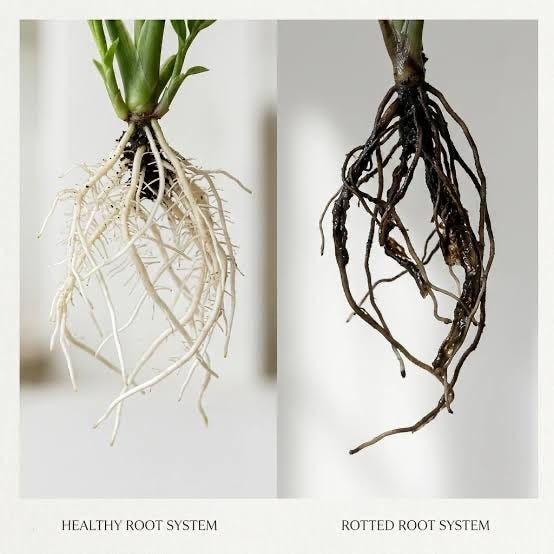
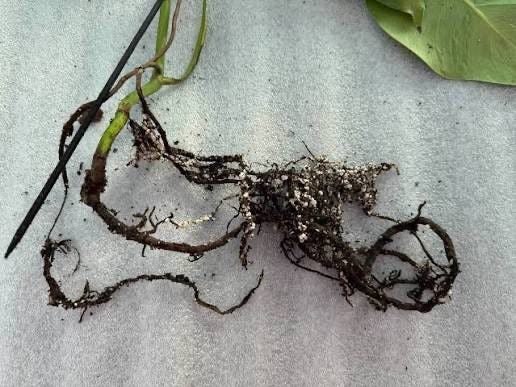
Hebrews 12:15 warns us to look diligently "lest any man fail of the grace of God; lest any root of bitterness springing up trouble you, and thereby many be defiled."
A mother never keeps that root to herself, no matter how pious she sounds on Sunday morning.
Because she is the emotional weather of her home, whatever she nurses in secret eventually comes out of her mouth and settles into her children before they are old enough to know what they are breathing.
She drops little comments in the car on the way home from a family dinner, sighs when an aunt or a grandmother is mentioned, and lets her children hear enough of her private resentments that they learn early on that loving Mama means hating the people who disappointed her.
Without ever realizing what has happened to them, children grow up suspicious of their own extended family, inheriting feuds that started before they were born because their mother poisoned the well to make sure she never had to stand alone in her offense.
Inside the walls of her own house, the damage goes even deeper.
When a mother's mood governs the home, her children spend their childhood walking on eggshells and studying her face the moment they walk into the kitchen so they know who she is angry with today.
Because her warmth is rationed out according to who is currently pleasing her and taking her side, brothers and sisters start competing for the scraps of her positive attention whenever the sun happens to come out.
A mother will even pull an older child or an adult son or daughter right into the middle of her marriage dysfunction, pouring out complaints about their father that a child's shoulders were never built by God to carry, turning her own children into emotional confidants and referees so she can feel vindicated.
Years later, when those children are grown and have houses of their own, the harvest of all that sowing is standing right there in plain sight, and it is heartbreaking to look at.
You see multiple generations of dysfunction and estrangement where aunts, uncles, and cousins pass one another in the grocery store like strangers, and adult siblings have no real relationship with one another because childhood taught them to see each other as rivals for their mother's shifting approval.
Every family gathering carries an undercurrent of perpetual contention, becauseJames 3:14 and 16 tells us plainly, "But if ye have bitter envying and strife in your hearts, glory not, and lie not against the truth... For where envying and strife is, there is confusion and every evil work."
Proverbs 14:1 says that "every wise woman buildeth her house: but the foolish plucketh it down with her hands," and many of us have watched a family tree get plucked down branch by branch by a woman who never once stopped believing she was the victim.
If I am describing the family you grew up in, or if you feel the heat of conviction because you see those same seeds starting to take root in your own house, I want to say this to you as loudly and plainly as I know how:
You can be the one who breaks the chain.
You may never be able to heal the branches of the family tree above you, because in many families those upper branches are already so rotted through with decades of rehearsed bitterness and pride that they are beyond human repair.
You cannot repent for your mother, and you cannot force people who love their grievances to lay them down.
What you can do, by the grace of God, is refuse to let that plight spread one inch further into the branches growing out of your own life.
Breaking a generational wound like that requires a woman to do something the flesh hates, which is to take herself off the throne at the center of the room and stop demanding that every conversation revolve around her feelings and her cause.
It means deciding that your children's peace, their love for one another, and the health of your home matter far more than whether anybody ever apologizes to you the way you think they should.
It means obeying Ephesians 4:31 and 32 when Paul writes, "Let all bitterness, and wrath, and anger, and clamour, and evil speaking, be put away from you, with all malice: And be ye kind one to another, tenderhearted, forgiving one another, even as God for Christ's sake hath forgiven you."
You can be the mother who keeps adult conflicts between adults, who encourages her children to love their siblings without jealousy, and who refuses to pass down a ledger of old family grudges as an inheritance.
You can look at the mess that was handed to you and say boldly that it ends with us, and with God's help it truly can.
And, years from now, when your children are grown and sitting around a table together with their own babies in their laps, the sweetest fruit of your life will be watching them laugh together in a room where nobody has to walk on eggshells, nobody is keeping score, and the old family poison is finally gone for good because you let the Lord pull the root up in your own heart first.
Biblical Womanhood
If you want to go deeper into what Scripture says about uprooting resentment before it costs your home its peace, join me for a week-long devotional study on bitterness.
The Bitter Root: How Bitterness Destroys the Heart and Home
Over seven days, we look honestly at bitterness through a biblical scope and walk through practical, scriptural ways to keep your own heart tender before the Lord so that what grows in your house is grace instead of an old family wound.
** This study will be emailed out at end of day today. You will find the printable PDF in your email associated with your substack. If you don’t see it, check your Spam/Junk folder! Thank you for supporting this ministry!