Before there was a hill called Calvary, there was a world newly spoken into being.
Light broke open the darkness at the command of God.
Waters gathered where He told them.
Dry land rose beneath His word.
The earth, still young and unscarred, began to bring forth life.
Grass.
Herbs.
Trees.
Seeds after their kind.
Thorns had not yet entered the story.
Iron had not yet been imagined in the mind of man.
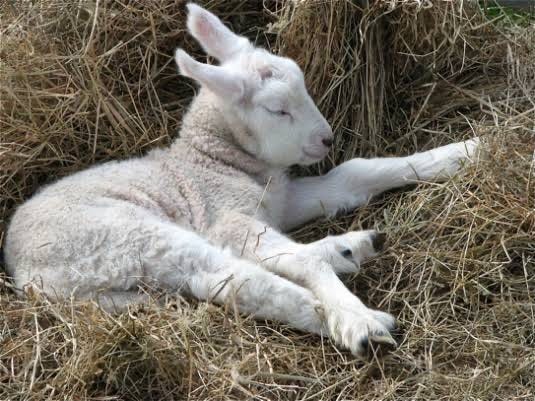
Sheep wandered soft-backed beneath a sky that had never heard a cry of sorrow.
And God knew.
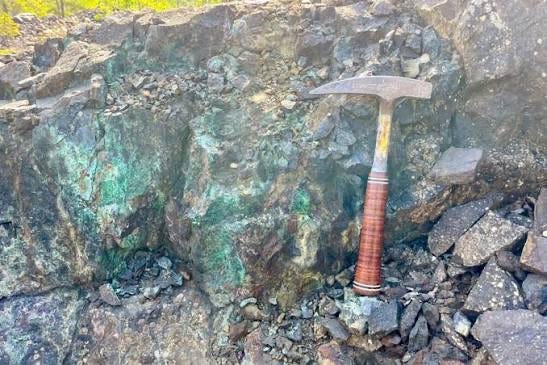
He knew when He tucked the very ore deep into the hidden ribs of the earth.
He knew which black seam would one day be cut open by the hands of men.
He knew that buried in darkness, waiting through centuries of flood and frost and shifting stone, lay the metal that would be torn from its sleep, melted, beaten, sharpened, and driven through holy flesh.
He put it there anyway.
It was on His mind when He laid the foundations of the earth.
The Father, who sees the end from the beginning, placed that ore in the mountain with full knowledge of what it would become.
When the first miner’s pick finally struck near it, when sparks flashed in the caverns, when men shouted that they had found a rich vein, did heaven fall quiet for a breath?
There was a tree once, too.
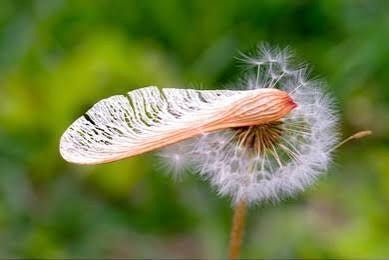
Only a seed.
A small, unnoticed thing, held in the design of God before it ever fell.
It clung to its mother tree through wind and sun and passing season.
Then one day it loosened.
It fluttered downward.
It landed in just that patch of earth, not another.
Rain found it there.
Sun warmed it there.
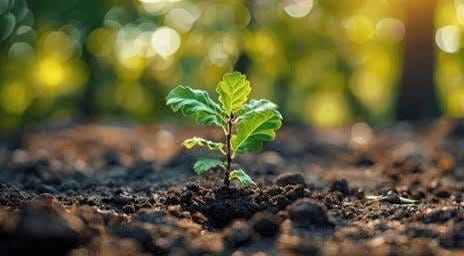
Roots pushed downward into darkness while a thin green shoot rose trembling into the light.
And God knew.
He knew what that tree would become.
He watched it grow ring by ring, year by year. Watched birds rest in its branches.
Watched storms bend it without breaking it.
Watched children pass beneath its shadow.
Watched it thicken and harden, beautiful in its strength, reaching upward because He made trees to do that.
He once spoke to a fig tree and it withered from root to branch.
Yet this tree He let stand.
He let it flourish.
He let it become tall and seasoned and ready.
Ready for the axe.
Did the ground shake when it fell?
Did heaven grieve the sound of its breaking?
Men stripped its limbs, dragged its body, cut it to shape.
The grain that had held life now received the rough hands of violence.
The tree that had once lifted leaves toward the sun was now fashioned into the cruelest creation of man.
And God knew.
There was another seed somewhere in another patch of cursed ground.
Not a tree.
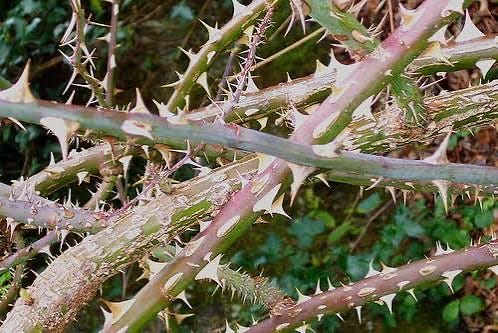
A thorn.
A wild thing.
Sharp.
Unwanted.
Born from the sentence spoken after Eden, when the Lord told Adam that the ground would bring forth thorns and thistles.
They came up because sin had entered the world.
They grew where no one invited them.
Hard, jagged, cruel little witnesses to the fall.
And God knew.
He let them grow too.
He let the bush thicken.
Let the thorns harden.
Let them sharpen under sun and weather.
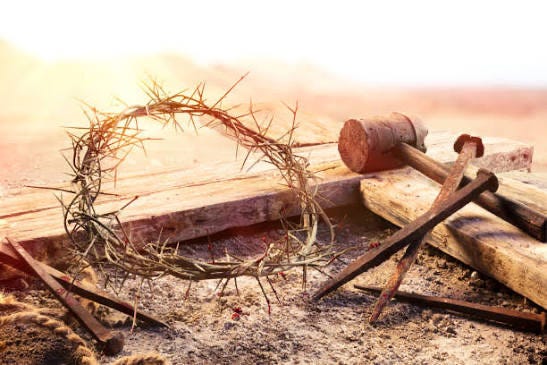
Until one day rough hands reached down, tore them free, and twisted them together into mock royalty.
A crown for the King of kings, made out of the curse itself.
Pressed into His perfect Son’s brow until blood ran down His face.
And God knew.
There also were sheep in fields.
Lambs born in spring.
Soft wool gathered by patient hands, cleaned, spun, woven, sewn.
A garment took shape from what once warmed a living creature.
Seamless.
Simple.
The kind of robe a poor man might wear while walking dusty roads.
It lay across His back, covered His body, absorbed His sweat, moved with Him through villages and over hills and into the temple courts.
Then one day soldiers stripped it from Him.
Not because it was priceless to them, but because even in their cruelty they saw it was too valuable to tear.
And God knew.
He knew the very sheep that would bear the wool, before it was born in a lush green field.
He knit together the fingers of the weaver that would spin the thread, while in her mother’s womb.
He knew every fiber of the garment that would cling to the shoulders of His Son before it was shorn from the sheep.
He knew.
Yet the little lamb grew anyway, carefully in His sight.
There were other animals in the field too, and hides were taken from them.
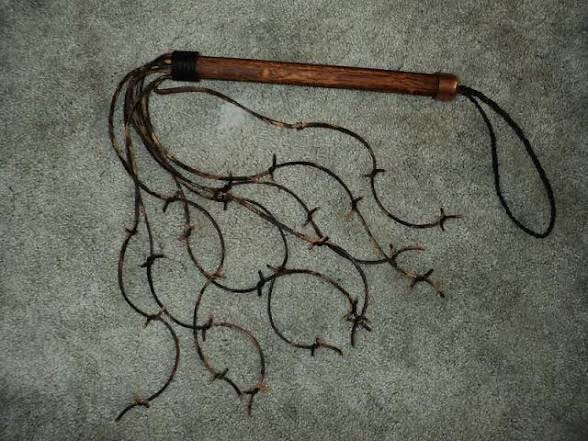
Hides that were dried, from animals He nourished from the earth. Leather that would be cut and cured and fashioned by craftsmen into straps and cords and a handle fit for a soldier’s grip.
The whip hung silent until the day it did not.
Then it tore through air and opened the back of the One by whose stripes we are healed.
And God knew.
He knew the beast.
He knew the skin.
He knew the hand that would plait it into a scourge.
He knew the shoulder it would descend upon.
There was wood for the hammer.
Iron for the head.
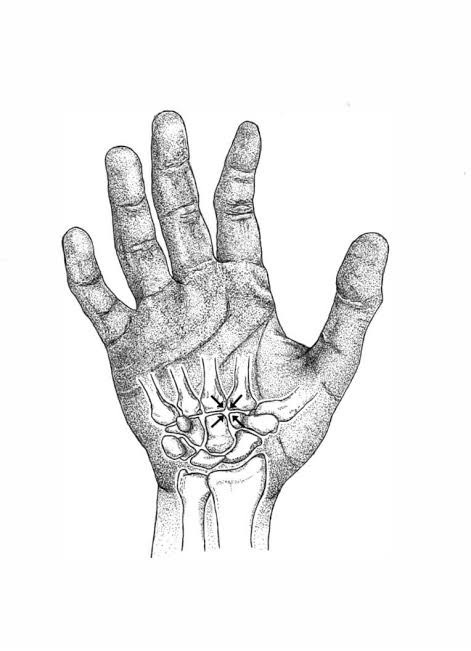
A hand to lift it.
A wrist to bring it down.
And God knew.
All along, He knew.
He knew when Abraham lifted the knife over Isaac that another Father would one day not stay His own hand.
He knew when the ram was caught in the thicket that a greater Substitute, a spotless lamb, would come.
He knew when Israel brushed lamb’s blood on their doorposts that a truer blood would one day be spilled outside the city.
He knew when the prophets wrote of a “Man of Sorrows” that every line was narrowing toward a hill and a day and a body lifted between heaven and earth.
Abraham didn’t know.
Israel didn’t see the symbolism in that night of blood and doorposts, and the harrow of death all around.
The prophets could have never known of whom they spoke.
But God knew.
And still He came.
This is the wonder that undoes me.
The mystery of Godliness.
Not merely that He suffered.
Not merely that His very own creation was fashioned for the tools of His suffering.
But that none of it was surprise.
The ore did not catch Him off guard.
The tree did not grow outside His notice.
The thorns were watered by His rain.
The wool was knit by His masterful hand.
The leather was fashioned from animals fed in His field.
He knew what men would do with the things He made.
And still He made them.
Why?
Why let the mountain produce the iron?
Why let the tree take root?
Why let the thorn bush flourish?
Why let the lamb grow wool?
Why let all the world move, generation after generation, toward a hill called Mount Calvary?
Because He was not moving only toward nails and timber and thorns.
He was moving toward mercy, and grace.
Toward atonement.
Toward the moment when wrath and love would meet on the same hill.
We sometimes speak as though Calvary was a sudden dark turn in the story, but it was not.
It was written into the world from the beginning.
He is “The Lamb slain from the foundation of the world.” (Rev 13:8 KJV)
Before there was sin in our experience, there was already sacrifice in His heart.
So the ore slept in the mountain until men came for it.
The tree rose from the soil until men cut it down.
The thorn bush grew until men wove it.
The wool thickened until men spun it.
The hide was matured until men shaped it.
And Christ walked willingly straight toward it all.
He walked toward the nails knowing the pain they would bring.
Toward the scourge knowing what it would strip from Him.
Toward the thorns knowing their points.
Toward the timber knowing its weight.
Toward the cup knowing its bitterness.
Toward the forsaking knowing its darkness.
He knew.
And He still came.
That is the part no human heart can ever fully fathom.
We turn away from pain we can foresee.
We rearrange our lives to avoid even minor suffering.
But the Son of God stepped into a world where everything He created was already waiting to be turned against Him, and He did not retreat.
He came because He had us in view.
He came because sinners would need a cross.
He came because the wages of sin would require blood.
He came because His love would not leave us to perish.
So when I think of Calvary now, I do not only think of a Roman execution.
I think of a God who watched a seed pod fall through the air and let it land.
A God who watched miners tunnel into the earth and did not stop them.
A God who saw thorns harden in the field and let them stand.
A God who knew where all roads led and still called the world into being.
Not because He delighted in suffering, but because He delighted in redemption.
And at the center of it all stands the cross.
Wood from a tree He let grow.
Nails from ore He let remain hidden until its appointed day.
A crown of thorns He let spring up from cursed ground.
A scourge from leather He permitted men to shape.
A robe from wool He let gather over the years.
All of creation, in one way or another, bent toward that hill.
And on that hill the Creator let His creation wound Him, so that all those who would put their faith and trust in His finished work might be reconciled.
How can one stand before such knowledge and not tremble?
How can one hear that He knew and still came, and remain unmoved?
How can one not fall down in reverence before a love that had full foresight and no retreat?
He knew.
And He still came.
For the joy that was set before Him, He endured the cross.
For me.
And for you.
Biblical Womanhood