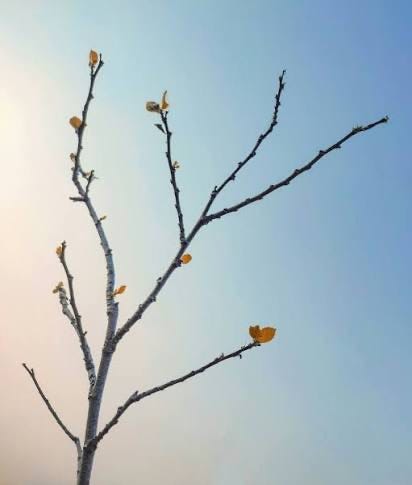
Life has a curious way of introducing us to ourselves.
Most of us imagine we know who we are until sorrow arrives and quietly begins pulling back the curtains we have unknowingly lived behind.
A painful diagnosis, the death of someone dearly loved, a marriage under strain, financial uncertainty, a prodigal child, betrayal, loneliness, unanswered prayer, years of waiting, or simply the steady weight of carrying burdens that never seem to grow lighter all have a remarkable way of revealing places within our hearts that prosperity leaves comfortably hidden.
Hard seasons are strange teachers.
They expose weaknesses we never knew we possessed, but they also reveal the gracious work God still desires to do within us.
Two women may walk through the very same valley and emerge looking entirely different, not because one suffered less than the other, but because suffering always asks something of the soul.
It asks whether we will cling more tightly to Christ or more tightly to ourselves.
Over the next three days, I want to introduce you to three women that I believe every one of us eventually meets.
If you have lived very long, chances are you have already become each of them at one time or another.
None of these women began their journey intending to arrive where they did.
They simply responded differently to the valleys God allowed into their lives.
She did not wake up one morning and decide bitterness would become her companion.
No little girl dreams of growing into a woman whose heart has slowly become guarded, suspicious, and wounded.
Somewhere along the way, life simply became heavier than she expected.
Perhaps she buried someone she loved.
Perhaps years of infertility slowly hollowed out her hope.
Perhaps she remained faithful to a husband who gradually withdrew his affection until she found herself sharing a house with a stranger.
Perhaps she poured herself into ministry only to discover that criticism often arrives more quickly than gratitude.
Perhaps she gave everything she knew how to give to a child who eventually walked away from the very truths she had spent years planting.
Whatever the story, know this, the wound itself was and is real.
The tragedy was never the wound.
The tragedy was what quietly began growing around it.
Bitterness rarely announces itself loudly.
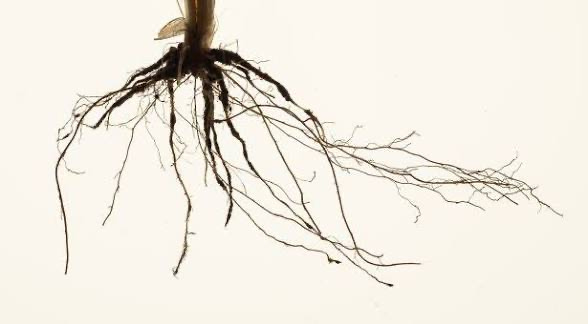
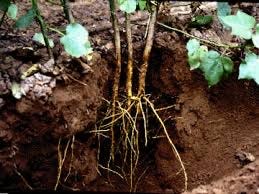
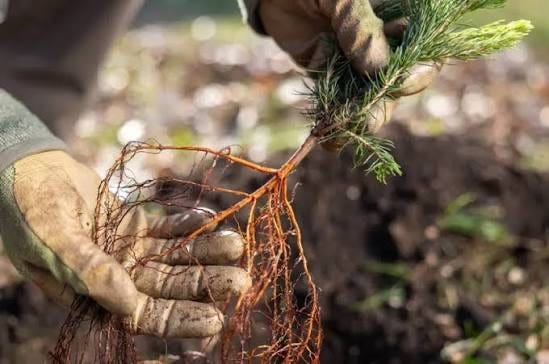
It grows patiently beneath the surface, much like the roots of an old tree that continue stretching deeper into the earth while no visible change appears above ground.
By the time the branches begin showing signs of disease, the hidden work has often been taking place for years.
Hebrews gives us a warning that has become increasingly precious to me.
“Looking diligently lest any man fail of the grace of God; lest any root of bitterness springing up trouble you, and thereby many be defiled.” Hebrews 12:15
That word has always arrested my attention because roots live where people cannot see them.
Friends may still describe this woman as pleasant.
Church members may still admire her faithfulness.
Her family may continue assuming everything is fine.
Yet beneath the soil of the heart, resentment has quietly wrapped itself around old disappointments until it begins drawing nourishment from them.
Over time, she gradually becomes critical where she was once gracious.
Other people’s blessings become strangely difficult to celebrate.
Conversations naturally drift toward disappointments.
Small offenses seem larger than they once did.
Old wounds are revisited often enough that they remain as fresh as the day they were received.
What saddens me most is that bitter people are often deeply hurting people.
Their sharpness is usually covering sorrow.
Their criticism is often grief searching for somewhere to rest.
Their distance has frequently been built one disappointment at a time.
Naomi understood something about this.
After burying her husband and both of her sons, she returned home saying,
“Call me not Naomi, call me Mara: for the Almighty hath dealt very bitterly with me.” Ruth 1:20
Even her name no longer felt like it belonged to her.
Grief had become her identity.
Yet the beautiful thing about Scripture is that God did not leave Naomi there.
The book of Ruth does not end with bitterness.
It ends with redemption.
That is such a comfort to me because it reminds me that bitterness need not become the final chapter of any believer’s story.
Healing begins where honesty begins.
The Lord cannot heal wounds we continually pretend do not exist.
David prayed, “Search me, O God, and know my heart: try me, and know my thoughts.” Psalm 139:23
There is humility in praying those words because we are inviting God to uncover things we have perhaps grown accustomed to living with.
Healing also requires forgiveness, though forgiveness is rarely accomplished once and then forgotten forever.
Some wounds require daily surrender.
Every morning the old memory returns, and every morning we choose once again to place it into the hands of Christ rather than allowing it to become nourishment for another bitter root.
Perhaps even gratitude has a place here.
Not gratitude for the wound itself.
Very few people can honestly thank God for betrayal or loss.
But gratitude for His faithfulness within the valley has a remarkable way of loosening bitterness’s grip.
When we begin remembering the mercies that accompanied the sorrow, the heart slowly remembers that God never abandoned us, even when life felt painfully unfair.
If today you recognize pieces of yourself in this woman, do not despair.
The Lord has always been remarkably tender with wounded hearts.
He never asks His children to pretend they have not been hurt.
He simply invites them to bring the hurt to the only One capable of carrying it without becoming bitter Himself.
The same God who gently restored Naomi still restores hearts today.
And I have found that while bitterness grows quietly, so does healing.
One surrendered prayer.
One act of forgiveness.
One remembered mercy.
One ordinary day of choosing Christ again.
That is often how a heart begins finding its way home.
The Bitter woman can become the redeemed & healed woman—if she is willing to do the work with the Lord to draw out her root of bitterness.
There is hope.
Biblical Womanhood
Stay tuned for tomorrow’s installment in this series:
Part Two: The Numb Woman
If you enjoy this post please ♥️, comment, or share—These simple gestures help share this message with others who may be encouraged and blessed by this ministry.
I am deeply grateful for the community we are building within the walls of Biblical Womanhood.
It is a beautiful thing to watch the Lord gather friends around truth, around Scripture, around conviction, around hope.
If this ministry has been a blessing to you please consider becoming a paid subscriber!
Thank you for being here.
Biblical Womanhood
DID YOU KNOW?
All founding members receive my 2026 digital products free as part of my Founding Membership! If you enjoy Biblical Womanhood, and want all of my additional 2026 digital products for free become a founding member today!